Sukhumvit Bangkok: Pros, Cons, and Who It’s Best For

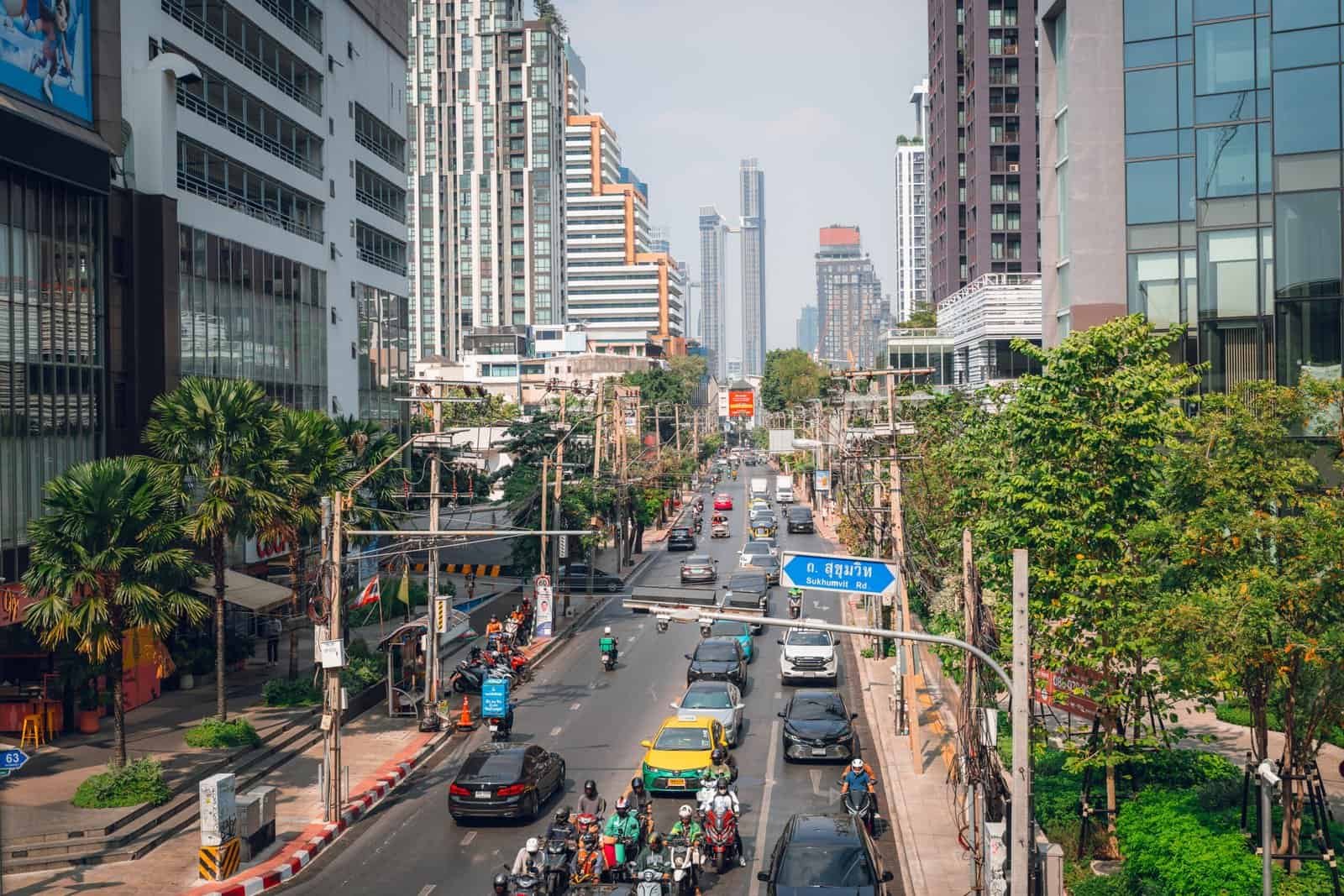
Sukhumvit runs through central Bangkok along the BTS Sukhumvit Line, which makes it one of the convenient areas to stay in if you want to move around the city easily.
It’s one of the most popular bases for first-time visitors for that reason alone.
Once you start planning, it shows up everywhere. Hotels recommend it. Travel forums point to it. Friends who’ve been to Bangkok mention it. Sukhumvit starts to feel like the obvious choice, even if you’re not totally sure what staying there is actually like day to day.
This guide breaks down what Sukhumvit really feels like once you’re here. The pace, the tradeoffs, and the kinds of trips it works best for, so you can decide if it fits how you want your days in Bangkok to feel.
If you’re still comparing neighborhoods, my Where to Stay in Bangkok guide breaks down the main areas by travel style.
Best of Bangkok contains affiliate links and is a member of the Amazon Services LLC Associates Program. If you make a purchase using one of these Amazon links, I may receive compensation at no extra cost to you. See my Disclosure Policy for more information.
TLDR: should you stay in Sukhumvit?
This is the short answer if you’re deciding whether Sukhumvit is the right area to stay in Bangkok.
Sukhumvit is a good choice if you:
- Want easy access to public transport
- Like having lots of food, cafes, and shops nearby
- Prefer flexibility over planning every detail
- Are visiting Bangkok for the first time or on a short trip
Sukhumvit may not be the best fit if you:
- Want quiet mornings or a slower pace
- Are visiting mainly for temples or historic sights
- Prefer a traditional or scenic neighborhood feel
Where is Sukhumvit in Bangkok?
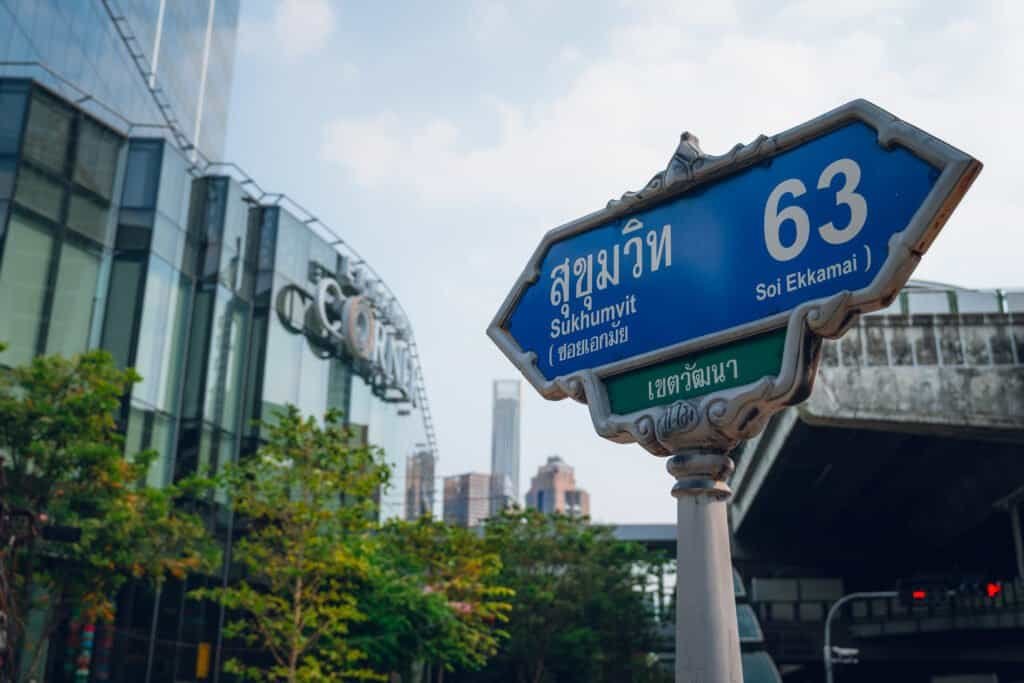
Sukhumvit is a long stretch of central Bangkok that follows Sukhumvit Road and includes multiple neighborhoods, not one compact district. When most travelers say they are staying “in Sukhumvit,” they usually mean the areas along the BTS Sukhumvit Line.
Key pockets most visitors book in:
- Asoke (BTS + MRT connection)
- Phrom Phong (malls, parks, slightly calmer)
- Thonglor and Ekkamai (more residential, food-focused)
Because Sukhumvit covers such a wide area, two hotels both labeled “Sukhumvit” can feel completely different day to day.
💡 Stay within a short walk of a BTS station. You’ll rely less on traffic and more on predictable travel times.
Why you can trust this guide
This guide is based on living in and navigating Bangkok, not a short visit or secondhand research. Sukhumvit is an area I’ve walked, stayed in, and used as a base while navigating daily life in the city.
The goal here isn’t to sell a specific hotel or push one neighborhood as perfect. It’s to explain what Sukhumvit is actually like once you’re on the ground, including the tradeoffs that don’t always show up in travel forums or hotel descriptions.
What Sukhumvit is known for
- Easy transport via BTS, with an MRT connection at Asoke
- Food everywhere, no planning required
- Busy main road, quieter a few streets back
- Designed for transportation, not sightseeing outside your door
What it’s actually like to stay in Sukhumvit
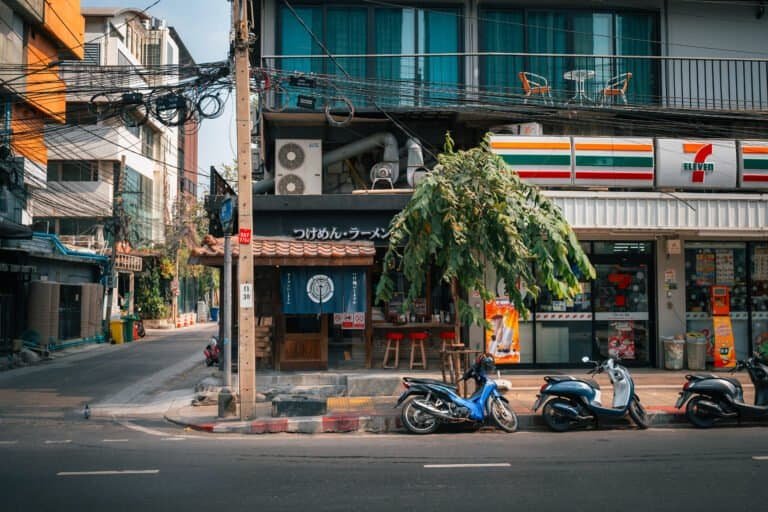
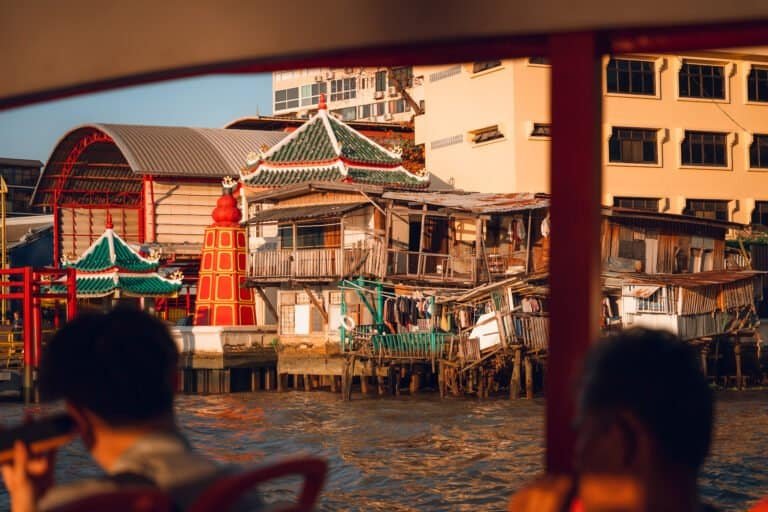
Sukhumvit is not the Bangkok of temples and river views. It is the Bangkok of easy movement, quick meals, and getting things done.
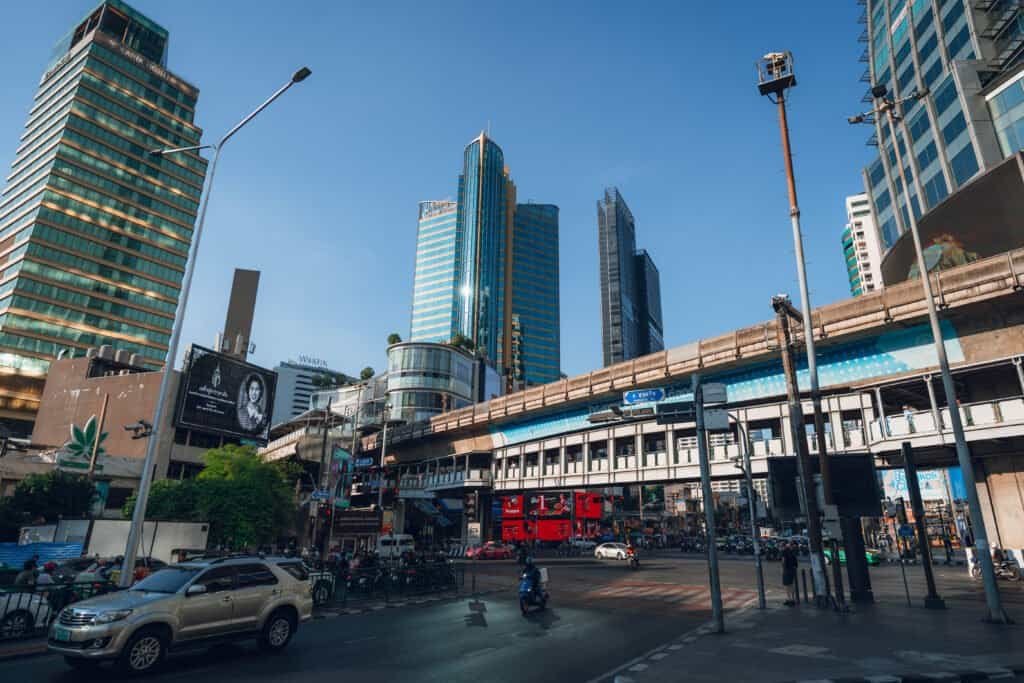
Near the main road and BTS stations, it is loud and active, especially late afternoon through evening. A few streets back, the pace drops and it can feel surprisingly residential.
The biggest factor is location. If you are close to a BTS station, Sukhumvit feels simple. If you are deep down a long soi, you will rely on Grab more, walk farther in the heat, and the “convenience” people talk about can disappear fast.
If you want calm mornings, history, or scenic views outside your door, Sukhumvit can feel like too much. If you want Bangkok to feel easy, it is one of the safest bets.
Sukhumvit for first-time visitors
For many first-time visitors, Sukhumvit is the easiest place to land. Bangkok can feel big right away, the heat hits harder than expected, distances are longer than they look on a map, and figuring out transport on day one can be more tiring than planned.
Sukhumvit smooths that out. The BTS runs straight through the area, and around Asoke you can switch to the MRT without much thought. That means fewer wrong turns, fewer long taxi rides in traffic, and a shorter learning curve when you’re still getting your bearings. If you want a deeper breakdown of how the trains and taxis work, our Getting Around Bangkok guide walks through it step by step.
It also makes everyday decisions simpler. You don’t need to plan meals in advance, and getting back to your hotel for a break never feels complicated. That flexibility is especially helpful on a first visit, when you’re still figuring out your pace.
If what you really want is temples, historic streets, or a quieter, more traditional feel right outside your door, Sukhumvit can feel too modern and busy. In that case, staying closer to Old Town or the river usually makes more sense.
Pros and cons of staying in Sukhumvit
Sukhumvit is popular for a reason, but it is not a one-size-fits-all area. These are the main upsides and downsides most travelers notice once they are here.
Pros
Easy transport access
The BTS Sukhumvit Line runs through the heart of the area, with an MRT connection around Asoke. Getting across the city is straightforward, even if it is your first time using public transport in Bangkok.
Food is never an issue
Street food, casual local spots, malls, cafes, and international restaurants are everywhere. You do not need to plan meals or travel far to find something good.
Flexible and forgiving for short trips
If plans change, the weather hits hard, or you want to head back early, Sukhumvit makes that easy. Everything you need is close by.
Predictable and convenient day to day
Daily logistics feel simple. You can leave your hotel and immediately find transport, food, and services without much planning.
Cons
Busy and noisy in places
Traffic, crowds, and construction are part of daily life here, especially near the main road and major intersections.
Less traditional atmosphere
Sukhumvit feels modern and international. If you are hoping for temples, historic streets, or a classic Bangkok setting outside your door, this area may feel underwhelming.
Can feel overwhelming at first
The size, pace, and constant activity can be a lot, particularly during peak hours or in hotter months.
Not the calmest place to stay
Even a few streets back, Sukhumvit rarely feels truly quiet compared with riverside or Old Town areas.
Bottom line:
Sukhumvit works best if you value convenience and flexibility over atmosphere. If ease matters most, it is a strong choice. If calm, character, or scenery are your priority, another area will likely suit you better.
Getting around from Sukhumvit
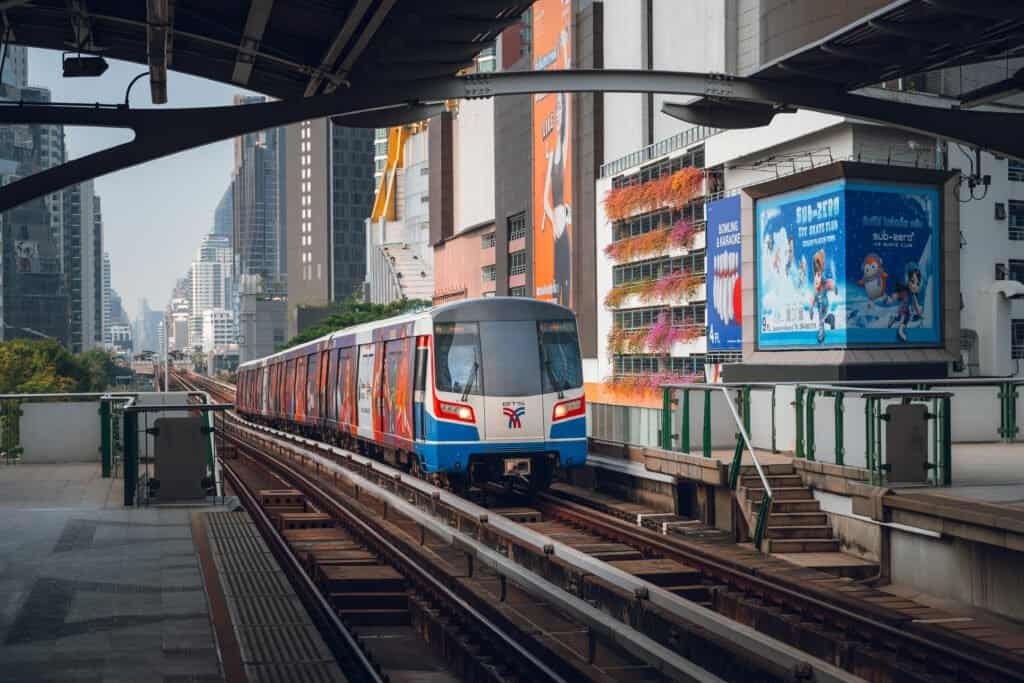
Getting around from Sukhumvit is one of the main reasons people choose this area. Most daily movement here revolves around the BTS Sukhumvit Line, which runs directly above the main road and connects many of the places visitors spend time.
Stations around Asoke, Phrom Phong, Thonglor, and Ekkamai make it easy to move east and west without dealing with traffic. Around Asoke, you also have a direct MRT connection, which opens up areas like Chinatown, Chatuchak, and other parts of the city that the BTS does not reach as easily.
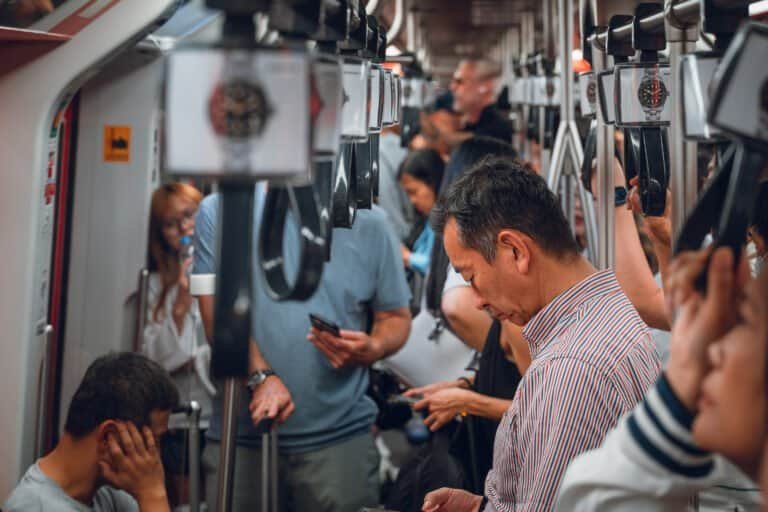
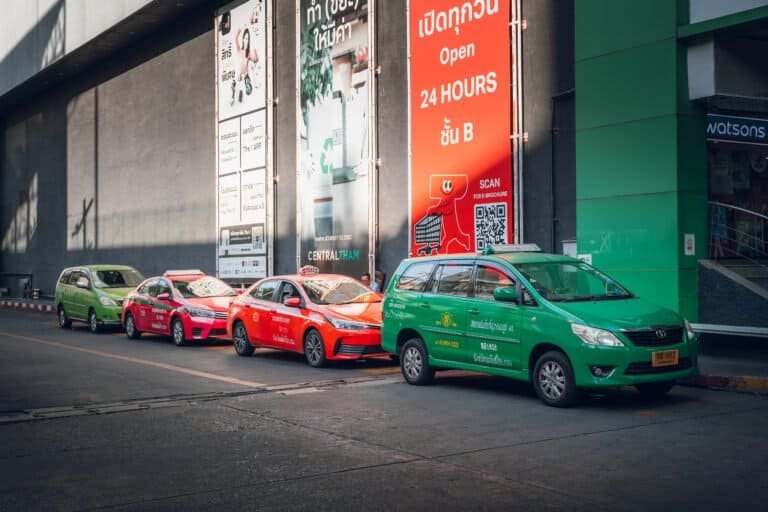
Taxis and Grab are everywhere in Sukhumvit and work well outside of peak traffic hours. During rush hour, trains are usually faster and far less frustrating. Motorbike taxis are also common for short hops, though they are better suited to confident travelers who are comfortable with Bangkok traffic.
You do not need to master every transport option to stay here comfortably. Most visitors rely on a simple mix of BTS, MRT, and Grab and get around just fine. If you want a step-by-step breakdown of how each option works, including when to use which one, our Getting Around Bangkok guide covers it in more detail.
How to choose a hotel in Sukhumvit
Sukhumvit is one of the easiest areas to stay in Bangkok, but hotel listings can be misleading. A place can say “Sukhumvit” and still be a pain day to day if it’s far from the train or deep down a back street.
These quick checks help you pick a hotel that actually feels convenient once you’re here.
- Stay within a short walk to a BTS station. This matters more than the hotel rating.
- Check how far down the soi the hotel is. “Close” on a map can still mean a long, sweaty walk.
- If you plan to use the MRT a lot, prioritize Asoke. The BTS and MRT connection makes everything easier.
- If you’re a light sleeper, avoid rooms facing Sukhumvit Road. Traffic noise is real, especially at night.
- If you want calmer nights, don’t stay right in the nightlife pockets. You can still visit them, you just don’t need them outside your window.
- If you’re staying deeper in Sukhumvit, plan on using Grab more. It’s not a dealbreaker, it just changes the rhythm of your days.
If you want Sukhumvit to feel easy, choose location first, then pick the hotel.
Where to base yourself in Sukhumvit
Sukhumvit is long, and where you stay within it matters more than how a hotel looks online. Being close to a BTS station makes daily life easier, regardless of which part of Sukhumvit you choose.
For most visitors, staying near a BTS Sukhumvit Line station makes the biggest difference. These are the areas that tend to work best.
Asoke
Best for first-time visitors who want maximum convenience
Asoke is the most connected part of Sukhumvit. This is where the BTS Sukhumvit Line meets the MRT, which makes it easy to move around the city in almost any direction. If you want to see a lot of Bangkok without constantly thinking about logistics, Asoke is hard to beat.
It’s busy and can feel intense during rush hour, but everything is close. Food options are endless, malls like Terminal 21 are nearby, and getting back to your accommodation is simple even after a long day. For short trips or first visits, Asoke often feels efficient rather than overwhelming.
Phrom Phong
Best for a slightly calmer stay without losing convenience
Phrom Phong sits just east of Asoke and tends to feel more relaxed. Streets are wider, there’s more green space nearby, and the overall pace is slower once you step away from the main road.
This area still has excellent transport access, along with large malls and plenty of dining options, but it feels less chaotic day to day. If you want convenience without the constant rush of Asoke, Phrom Phong is a strong middle ground.

Thonglor
Best for food, cafes, and a more local residential feel
Thonglor feels more lived-in than central Sukhumvit. During the day, it’s quieter and more residential. At night, it becomes a popular dining and nightlife area, especially for locals and expats.
Transport is still easy, but you may walk a bit more or rely on short taxi rides depending on where you stay. Thonglor works well if you want a neighborhood feel while still being connected to the rest of the city.

Ekkamai
Best for a calmer base with easy city access
Ekkamai sits just beyond Thonglor and feels slightly less busy overall. It has a mix of residential streets, casual restaurants, and transport connections that still make getting around straightforward.
It’s a good option if you want to stay in Sukhumvit but don’t need to be in the middle of everything. The pace is slower, especially a few streets back from the main road.

A note on Nana
Nana is one of the most talked-about parts of Sukhumvit, mostly because of its nightlife. It’s extremely central and well connected, but it’s also loud and busy late into the night.
Some travelers like the location and convenience. Others find it overwhelming. If nightlife is not your priority, most first-time visitors are happier staying a few stops away (this comes up a lot in Where Not to Stay in Bangkok.
Quick takeaway:
If this is your first time in Bangkok, start with Asoke or Phrom Phong. If you want a more residential feel with great food, Thonglor or Ekkamai tend to feel easier long term. Wherever you choose, being close to a BTS station matters more than the specific street.
If you want a broader comparison, our Where to Stay in Bangkok guide breaks down all major neighborhoods by travel style.
How the best areas of Sukhumvit compare
| Area | Best for | Watch out for |
| Asoke | First-time visitors, moving around the city a lot | Busy at rush hour |
| Phrom Phong | Central but calmer evenings | Still lively near malls |
| Thonglor | Food, cafes, neighborhood feel | Slightly less central |
| Ekkamai | Quieter base with good access | Fewer walkable options |
| Nana | Nightlife and central location | Noise late at night |
Who Sukhumvit works best for
Sukhumvit works best as a base. It’s the place you come back to between the parts of Bangkok you actually want to explore.
It tends to be a great fit if you’re traveling like this:
- Short trips (2 to 5 days): You’ll waste less time in transit. Start with Asoke or Phrom Phong.
- First-time Bangkok with a packed itinerary: The BTS and MRT connection around Asoke makes the city feel simpler.
- Food, cafes, and a neighborhood vibe: Thonglor and Ekkamai feel more lived-in while still being connected.
- Shopping and comfort breaks (malls, AC, easy meals): Phrom Phong is hard to beat.
- Nightlife-focused trips: Stay close enough to visit, but don’t sleep in the loudest pockets unless that’s the point.
- Families: Convenience matters more than “perfect atmosphere.” Being near the BTS makes breaks easier, and you can get back fast.
You should skip Sukhumvit if you want quiet mornings, river views, or historic Bangkok right outside your door. In that case, Old Town or the riverside usually fits better.
Key takeaway
- Stay within a short walk of BTS.
- Avoid long sois unless you want quiet and plan to use Grab.
- Asoke and Phrom Phong are the easiest bases for first-timers.
FAQ: Sukhumvit Bangkok
Is Sukhumvit Bangkok safe at night?
In general, yes, especially around the main road and BTS stations where there are always people out. Like any big city, keep your phone secure, watch your bag in crowds, and trust your instincts on quieter side streets late at night.
Which BTS station is best to stay near in Sukhumvit?
For most first-time visitors, Asoke is the easiest because it connects to both the BTS and MRT. Phrom Phong is a close second if you want something a bit calmer while staying central.
Is Sukhumvit too touristy?
Parts of it can be, especially near the busiest stations and nightlife areas. But Sukhumvit is long, and many pockets feel residential once you get a few streets back from the main road.
Is Sukhumvit a good area for families?
It can be, mainly because it’s convenient and predictable. If you’re traveling with kids, being near the BTS makes it easier to take breaks, get back to your hotel fast, and avoid long taxi rides in traffic.
How far is Sukhumvit from the Grand Palace and Old Town?
Sukhumvit is not walking distance from Old Town, but it’s easy to reach by train and taxi. If you plan to spend most of your time at temples and historic sights, staying closer to Old Town can save time, but Sukhumvit still works if you want transport convenience.
Is Sukhumvit a good area to stay without a car?
Yes. Sukhumvit is one of the easiest areas in Bangkok to navigate without a car thanks to the BTS Skytrain, MRT connections, and widespread taxi and rideshare options.
If Sukhumvit doesn’t feel right, Old Town and the riverside offer a slower, more traditional base, which we break down in our Where to Stay in Bangkok guide.
Choosing Sukhumvit Without Regrets
Sukhumvit is a great base when you want Bangkok to feel easy. If you stay near a BTS station, keep your hotel walk short, and choose the right pocket (Asoke for maximum transit, Phrom Phong for a calmer version of central, Thonglor or Ekkamai for more neighborhood feel), you’ll get the best of what Sukhumvit does well.
If you want a slower, more traditional base, you’ll likely be happier in Old Town or by the river.
Next Steps
If you’re still comparing neighborhoods, start with my Where to Stay guide. If Sukhumvit is already on your shortlist, these will help you plan the practical pieces fast.
Where to Stay in Bangkok
Compare Sukhumvit with Siam, Silom, Riverside, Chinatown, and Old Town
Getting Around Bangkok
A simple BTS, MRT, taxi, and Grab game plan for first-timers
Internet in Bangkok
SIM cards, eSIMs, and the easiest way to stay connected
Money in Bangkok
Cash vs card, ATM fees, and what to expect day to day
Where Not to Stay in Bangkok
9 Mistakes First-Time Travelers Make
What Not to Do in Bangkok
Common tourist mistakes (and what to do instead)